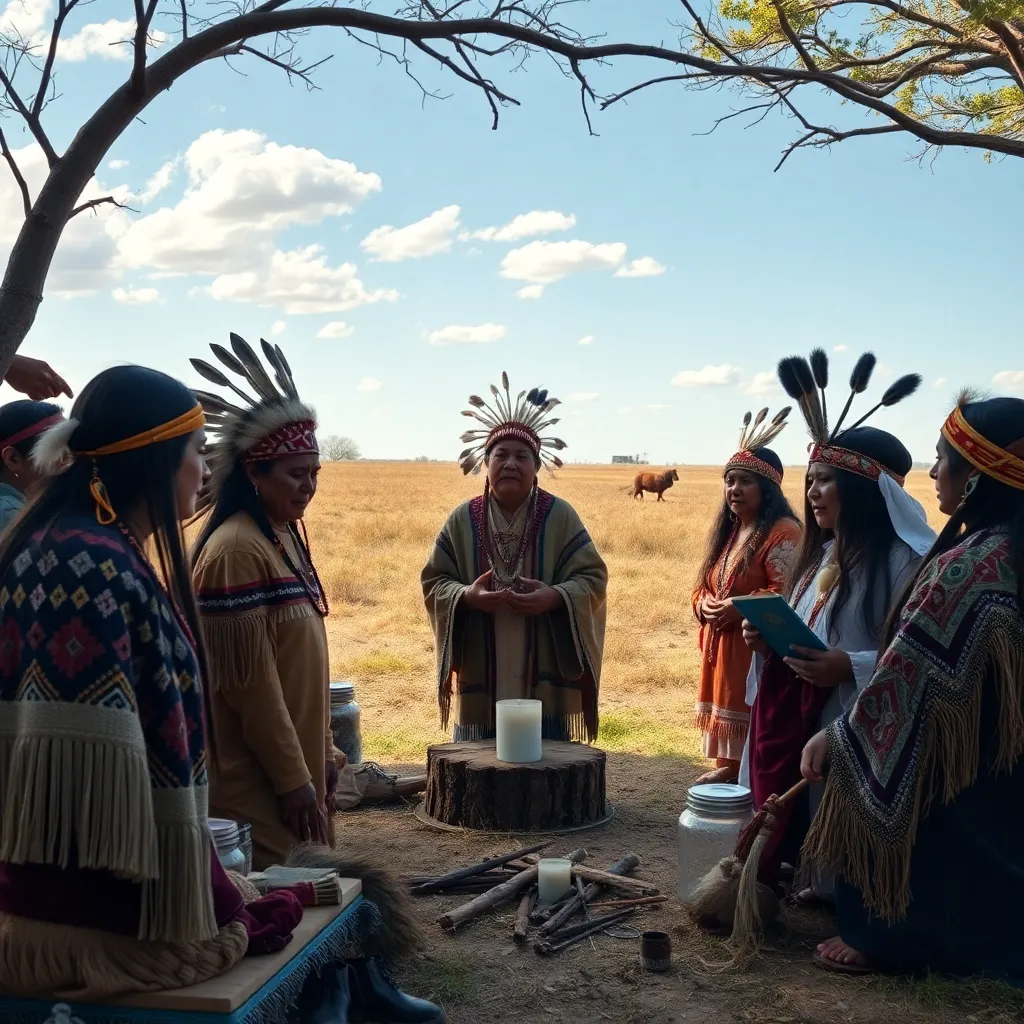
Addiction and Recovery in Oklahoma's Tribal Communities: Resources and Culturally Sensitive Care
Oklahoma has 39 federally recognized tribes. Substance use disorder disproportionately affects Native American communities here. This guide covers tribal health resources and culturally appropriate treatment.
Oklahoma is home to 39 federally recognized tribal nations — the largest number in any state — and Indigenous communities across the Sooner State face disproportionate rates of substance use disorder. Understanding why this disparity exists, what resources are available, and how culturally grounded care can make a meaningful difference is essential for anyone working to address addiction in Oklahoma’s tribal communities.
The Scale of the Problem
The Substance Abuse and Mental Health Services Administration (SAMHSA) consistently reports that American Indian and Alaska Native (AI/AN) populations experience higher rates of substance use disorder than any other demographic group in the United States. The Centers for Disease Control and Prevention (CDC) data shows that AI/AN individuals have among the highest overdose death rates in the country, a disparity that has widened as the fentanyl epidemic has intensified.
In Oklahoma specifically, the Oklahoma Department of Mental Health and Substance Abuse Services (ODMHSAS) acknowledges that tribal communities face compounding risk factors that create elevated vulnerability. Native Americans account for approximately 9% of Oklahoma’s population but represent a disproportionate share of overdose deaths and treatment admissions in many counties, particularly in eastern, central, and western Oklahoma where tribal land bases are concentrated.
These statistics represent real families, real communities, and real losses — they should be understood in the context of the systemic factors that created them, not as reflections of individual character.
Root Causes: Historical Trauma and Social Determinants
Any honest discussion of addiction in Native American communities must grapple with historical trauma. The National Institute on Drug Abuse (NIDA) recognizes historical trauma — the cumulative psychological and community wounds inflicted by forced removal, genocide, cultural suppression, boarding school policies, and systematic dispossession — as a significant factor in elevated rates of mental health and substance use disorders among Indigenous populations.
Boarding school policies, which forcibly removed Native children from their families and communities through much of the 20th century, disrupted the transmission of culture, language, and traditional healing practices across generations. The resulting disconnection from cultural identity is associated with elevated rates of depression, PTSD, and substance use.
Beyond historical trauma, socioeconomic factors compound risk in many Oklahoma tribal communities:
- Poverty: Tribal land areas in eastern Oklahoma include some of the state’s most economically distressed counties
- Limited healthcare access: While tribal health systems have grown significantly, gaps in rural healthcare access persist
- Unemployment: Economic opportunity in rural tribal communities remains limited despite tribal economic development efforts
- Social isolation: Rural geography and community disruption contribute to social isolation, a recognized risk factor for addiction
Oklahoma’s 39 Tribal Nations
Oklahoma’s tribal nations are diverse — linguistically, culturally, geographically, and in their healthcare infrastructure. Among the largest and most resourced health systems:
Cherokee Nation: The largest tribal nation in the United States by citizenship, Cherokee Nation operates a comprehensive healthcare system serving tribal members throughout northeastern Oklahoma, including behavioral health and substance use disorder services.
Chickasaw Nation: Based in south-central Oklahoma, the Chickasaw Nation’s health system includes behavioral health services at multiple facilities.
Choctaw Nation of Oklahoma: Serving southeastern Oklahoma, Choctaw Nation operates health services including behavioral health programs across its vast service area.
Muscogee (Creek) Nation: Operates health services in east-central Oklahoma including behavioral health programs.
Osage Nation, Seminole Nation, Comanche Nation, Kiowa Indian Tribe, and others: All operate tribal health programs of varying scope.
Smaller tribal nations may have more limited health infrastructure and may rely more heavily on the Indian Health Service and contract health programs.
The Indian Health Service (IHS) in Oklahoma
The Indian Health Service is a federal agency within the Department of Health and Human Services that provides healthcare to eligible American Indian and Alaska Native individuals. IHS services are available to enrolled members of federally recognized tribes.
In Oklahoma, IHS operates through the Oklahoma City Area IHS office, which administers facilities and programs across the state. IHS facilities provide primary care, dental, and behavioral health services, including substance use disorder treatment.
Important limitations: IHS has historically been significantly underfunded relative to the health needs of the populations it serves. SAMHSA reports have noted that IHS behavioral health resources are stretched thin, with limited residential treatment capacity within the IHS system. Tribal compact and contract health programs help extend coverage, but gaps remain.
Tribal Behavioral Health Programs
Most of Oklahoma’s large tribal nations operate their own behavioral health programs, separate from or in partnership with IHS. These tribal programs often provide:
- Outpatient counseling and assessment
- Substance use disorder treatment (outpatient, IOP, and sometimes residential)
- Medication-assisted treatment (MAT): buprenorphine and naltrexone access varies by tribe
- Mental health services for co-occurring disorders
- Traditional healing practices integrated with Western clinical care
- Peer support and community recovery programs
Tribal behavioral health programs are culturally grounded in ways that mainstream programs may not be — they are more likely to incorporate ceremonies, traditional language, connection to land, and consultation with tribal elders into recovery support.
Cultural Approaches to Recovery
Research supports the integration of cultural identity and traditional healing into addiction recovery for Native American populations. SAMHSA’s Native American resources explicitly recognize that recovery is best supported when it aligns with an individual’s cultural and spiritual framework.
Cultural elements that have been integrated into effective tribal recovery programs include:
Talking circles: Traditional sharing circles that provide peer support in a culturally familiar format, often replacing or supplementing 12-step groups.
Sweat lodge ceremonies: Traditional purification ceremonies used in some tribal recovery programs as a component of healing.
Traditional language: Programs that incorporate the tribal language — where speakers are available — provide an additional layer of cultural connection and identity reinforcement.
Elder involvement: Traditional knowledge keepers and tribal elders serve as resources for culture, identity, and wisdom in some tribal recovery programs.
Land-based healing: Connection to traditional homelands, outdoor activities, and environmental stewardship has been integrated into some programs.
Spiritual practices: Traditional spiritual practices, distinct from 12-step spirituality, are incorporated into many tribal recovery programs.
Navigating Access to Tribal Services
Accessing tribal health services requires enrollment verification. If you are an enrolled tribal member:
- Contact your tribe’s health services department directly — most tribal websites list behavioral health contact information
- Contact the IHS Oklahoma City Area office for service options if your tribal health program has limited capacity
- Access the ODMHSAS treatment locator for non-tribal treatment options that may be close to your community
For Oklahoma Native Americans who are not enrolled members or whose tribal nation does not have a strong health infrastructure, ODMHSAS-contracted community mental health centers, FQHCs, and SoonerCare-funded programs are available pathways.
SoonerCare and Native Americans
Oklahoma’s Medicaid expansion (SoonerCare) is available to Native American and Alaska Native individuals who meet income criteria. Additionally, AI/AN individuals may be exempt from certain cost-sharing requirements under the Affordable Care Act. SoonerCare covers substance use disorder treatment including MAT.
Recovery Resources in Tribal Communities
Beyond clinical treatment, recovery support in tribal communities may include:
- Native American NA and AA groups: Some areas have Native-specific 12-step meetings that incorporate cultural elements
- White Bison’s Wellbriety Movement: A culturally grounded recovery movement specific to Native American communities, incorporating traditional values into the 12-step framework (whitebison.org)
- First Nations Recovery: Peer support and community programs serving Native people in recovery
- National Native Mental Health Association: Resources and referrals for Native people seeking mental health and addiction support
Ready to Get Help?
If you are a Native American Oklahoman struggling with addiction, help that respects your culture and identity is available. Our hotline can connect you with tribal health resources, IHS programs, ODMHSAS services, and culturally grounded recovery support.
Call the Oklahoma Addiction Hotline. We are available 24 hours a day, 7 days a week, and the call is completely free and confidential. You deserve care that honors who you are.
Continue Reading
How Oklahoma Families Can Help a Loved One Struggling With Addiction
Addiction strains families to their breaking point. This guide gives Oklahoma families concrete, evidence-based strategies for getting help without losing themselves in the process.

Methamphetamine in Oklahoma: A Dual Crisis Alongside Opioids
Oklahoma faces both an opioid epidemic and a severe methamphetamine crisis. This guide examines Oklahoma's meth problem, its causes, community impact, and available treatment.